
Do I Really Need Flood Insurance?
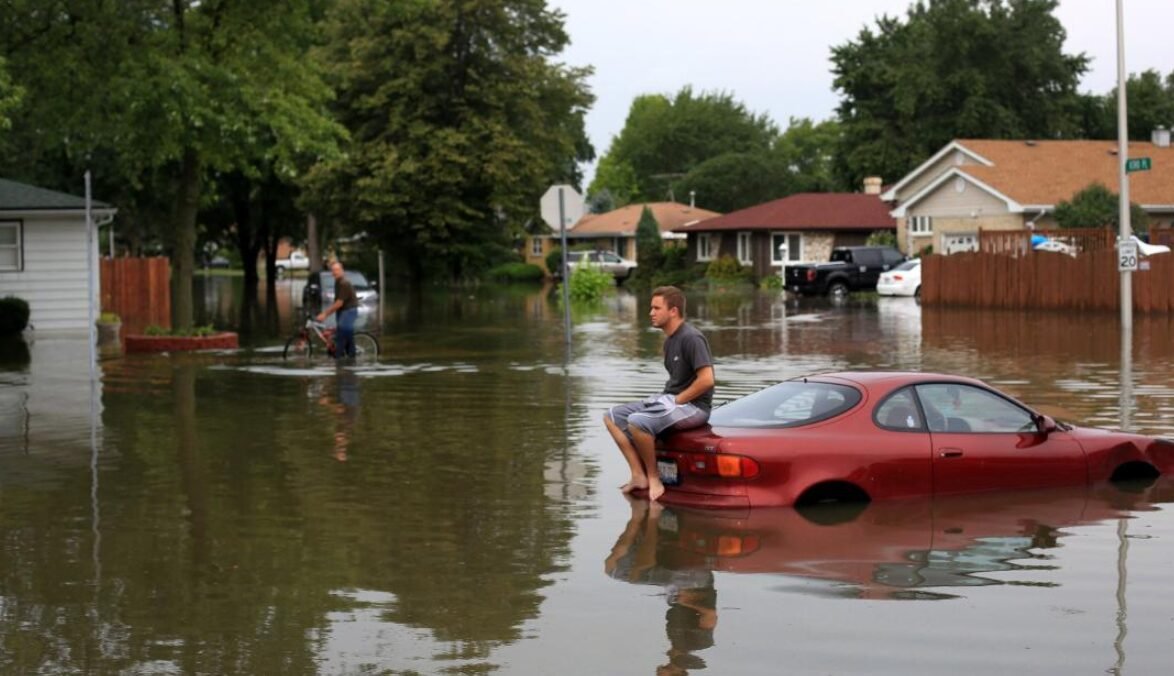
Many homeowners in Central Ohio mistakenly assume that their standard property policy protects them against rising water, but the reality often leads to a devastating financial wake-up call. Whether you live near the Scioto River or in a quiet suburban neighborhood in Bexley, you must understand that standard homeowners insurance explicitly excludes damage from external flooding.
Securing a separate Flood Insurance policy from Insurance Company Bexley Ohio is the only way to safeguard your home and belongings from the most frequent and costly natural disaster in the United States. In 2026, as weather patterns shift and urban drainage systems face increasing pressure—with southern Ohio recently experiencing rainfall totals 200% to 400% above normal—the question isn’t just about your proximity to a river. It is about protecting your biggest investment from the unpredictability of heavy rainfall and flash flooding. Insurance Company Bexley Ohio helps you navigate the options between the National Flood Insurance Program (NFIP) and private market alternatives to ensure you have the right level of protection before the next storm arrives.
Debunking the Low-Risk Myth
A common misconception suggests that only homes in “high-risk” zones need protection, but federal data tells a different story. In 2026, roughly one in four flood claims originate from properties located outside of designated high-risk areas. Flash floods, rapid snowmelt, and overwhelmed storm sewers can inundate any basement or crawlspace, regardless of what the FEMA maps currently say. Even an inch of water inside your home can cause more than $25,000 in damage, forcing you to pay for structural repairs, mold remediation, and furniture replacement out of your own pocket if you lack the proper coverage.
FEMA’s Risk Rating 2.0 system now calculates premiums based on your specific property’s features, such as elevation, distance to water, and the cost to rebuild. This means that if you live in a lower-risk area, your premium reflects that reduced likelihood, often making the policy surprisingly affordable. Waiting for a disaster declaration is not a viable strategy, as federal disaster grants are often limited to small loans that you must pay back with interest. A private or NFIP policy provides a direct payout that helps you recover without taking on new debt.
What Your Policy Actually Protects
When you purchase coverage, you typically choose between building protection and contents protection—or a combination of both. Building coverage handles the “bones” of your home, including the foundation, electrical and plumbing systems, water heaters, and permanently installed carpeting. For many Ohio residents with finished basements, understanding the limits of basement coverage is vital. While a standard policy covers essential mechanical equipment like furnaces and sump pumps, it may have restrictions on finished walls or personal items stored below ground level.
Contents coverage protects the things that make your house a home, such as clothing, electronics, and portable appliances. In 2026, many private insurers offer enhanced policies that provide higher limits than the traditional National Flood Insurance Program (NFIP) cap of $250,000. These private options also frequently include “Loss of Use” coverage, which pays for your temporary housing if your home becomes uninhabitable during repairs. Reviewing these options with an expert ensures that your policy aligns with the actual replacement value of your property in today’s market.
The 30-Day Rule and Proactive Planning
Timing is the most critical factor when securing your protection. Most flood policies, especially those through the NFIP, require a 30-day waiting period before the coverage becomes active. If you wait until a severe storm warning appears on the news, it is already too late to get covered for that event. Proactive homeowners secure their policies during the dry season to ensure they have an active safety net before the heavy spring rains or sudden summer downpours arrive.
Additionally, local development and new construction in your area can change how water flows across the land. As more surfaces become paved, the natural soil can no longer absorb rainwater, leading to increased runoff and potential flooding in neighborhoods that were historically dry. Regularly assessing your risk—not just once every decade—allows you to stay ahead of these environmental changes. Modern tools like RiskFactor.com can give you a real-time look at how your specific address ranks for flood vulnerability in the current climate.
Ensuring Your Home Stays Dry and Secure
Protecting your home requires a layered approach that combines physical mitigation, like installing flood vents or backflow valves, with a strong financial backup. As rebuilding costs continue to rise due to inflation, the gap between being “uninsured” and “fully recovered” grows wider every year. Taking control of your risk today prevents a single weather event from erasing years of hard work and home equity.
Securing Flood Insurance provides the ultimate peace of mind when the skies open up over Central Ohio. Whether you are a first-time homebuyer or have lived in your house for decades, the right plan ensures that you never have to face a disaster alone. Don’t wait for the water to reach your doorstep to take action. Contact Insurance Company Bexley Ohio today to receive a personalized risk assessment and a quote that protects your home and your future.